I work at the intersection of visual craft and systems thinking. I build design systems that scale, design products that feel human, and create visual languages that hold together across every platform and touchpoint.
Over the past two decades I’ve designed and shipped products for companies including Apple, Airbnb, Zoox, and Numa, and built carrier-grade apps used by over a million people across AT&T, Sprint, and T-Mobile. Whether I’m defining a component library, designing an onboarding flow, or partnering with engineering on a product launch, I bring the same attention to detail and the same belief that good systems make great design possible.
I’m proud to showcase at a few of my projects below.
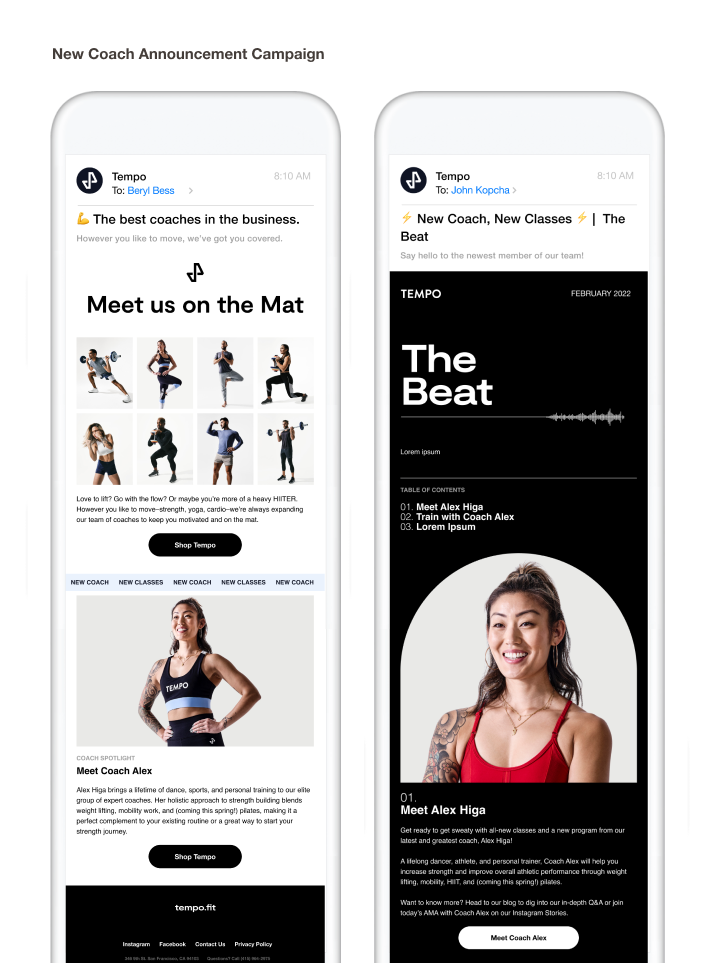
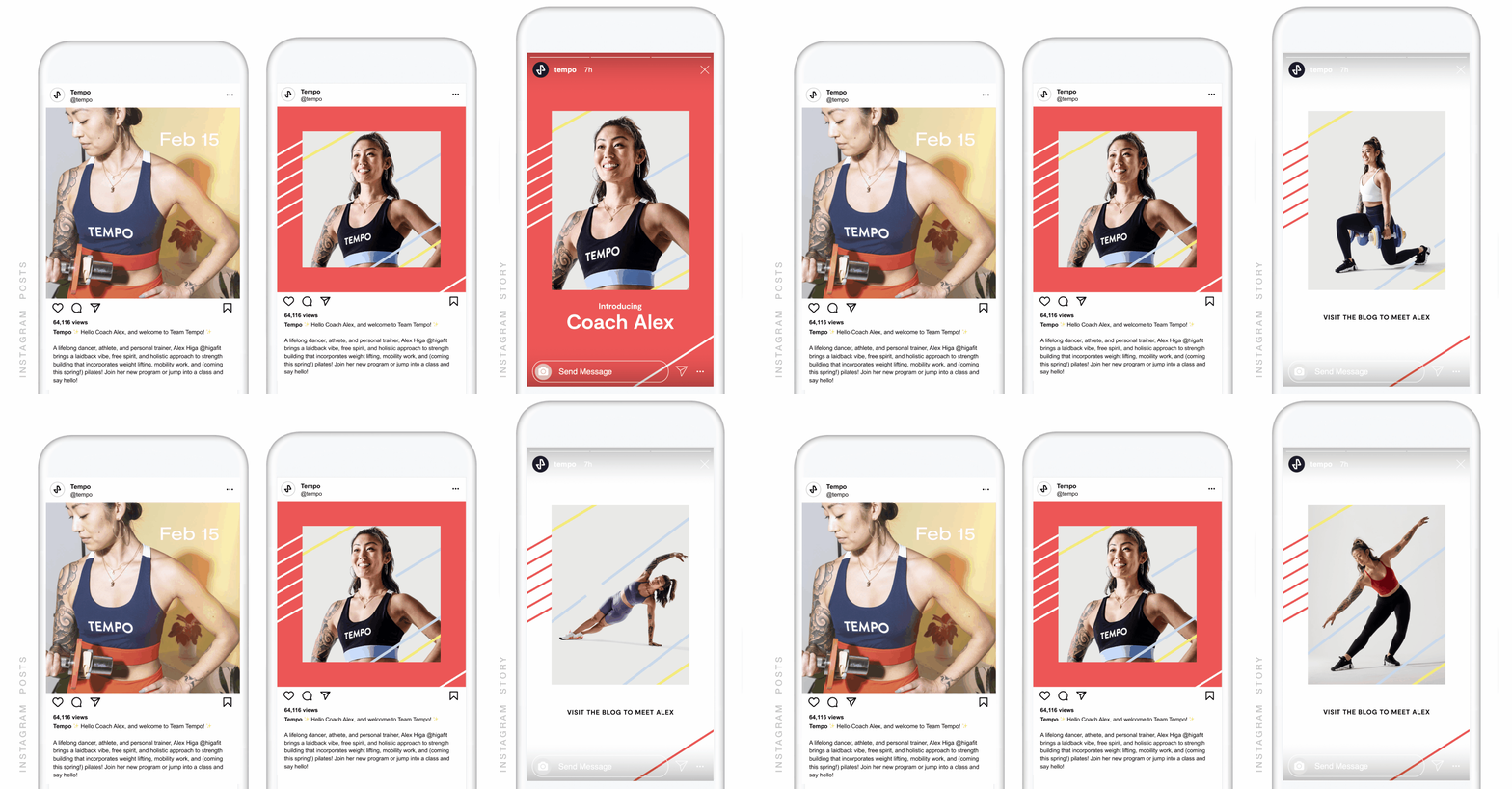
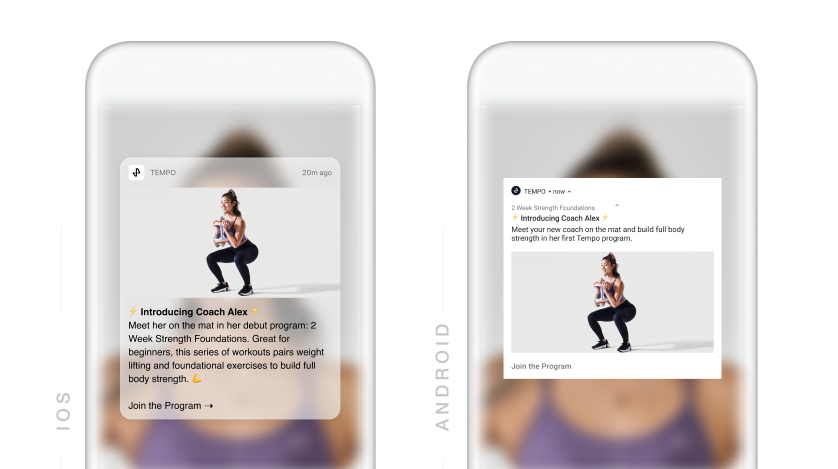
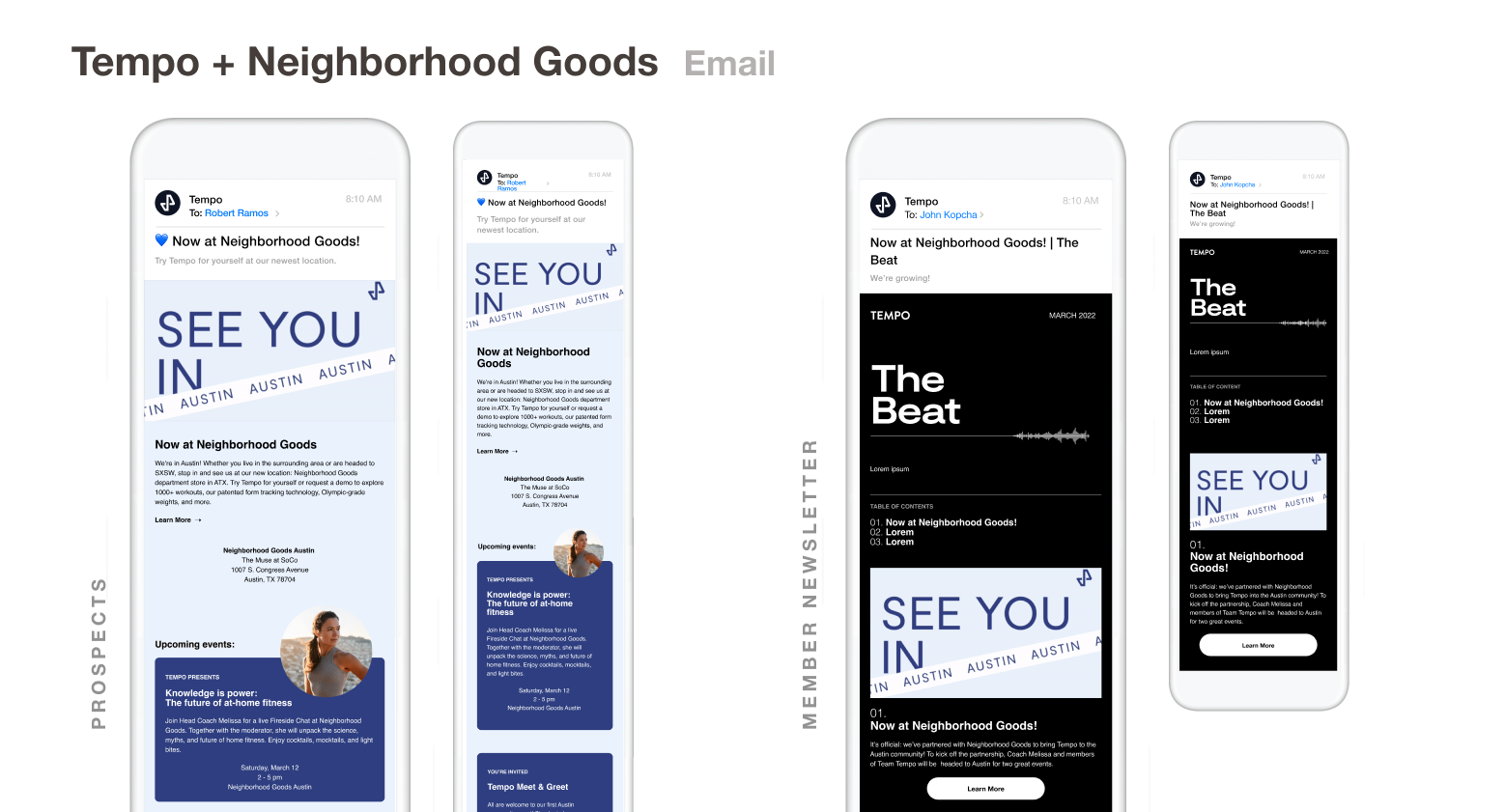
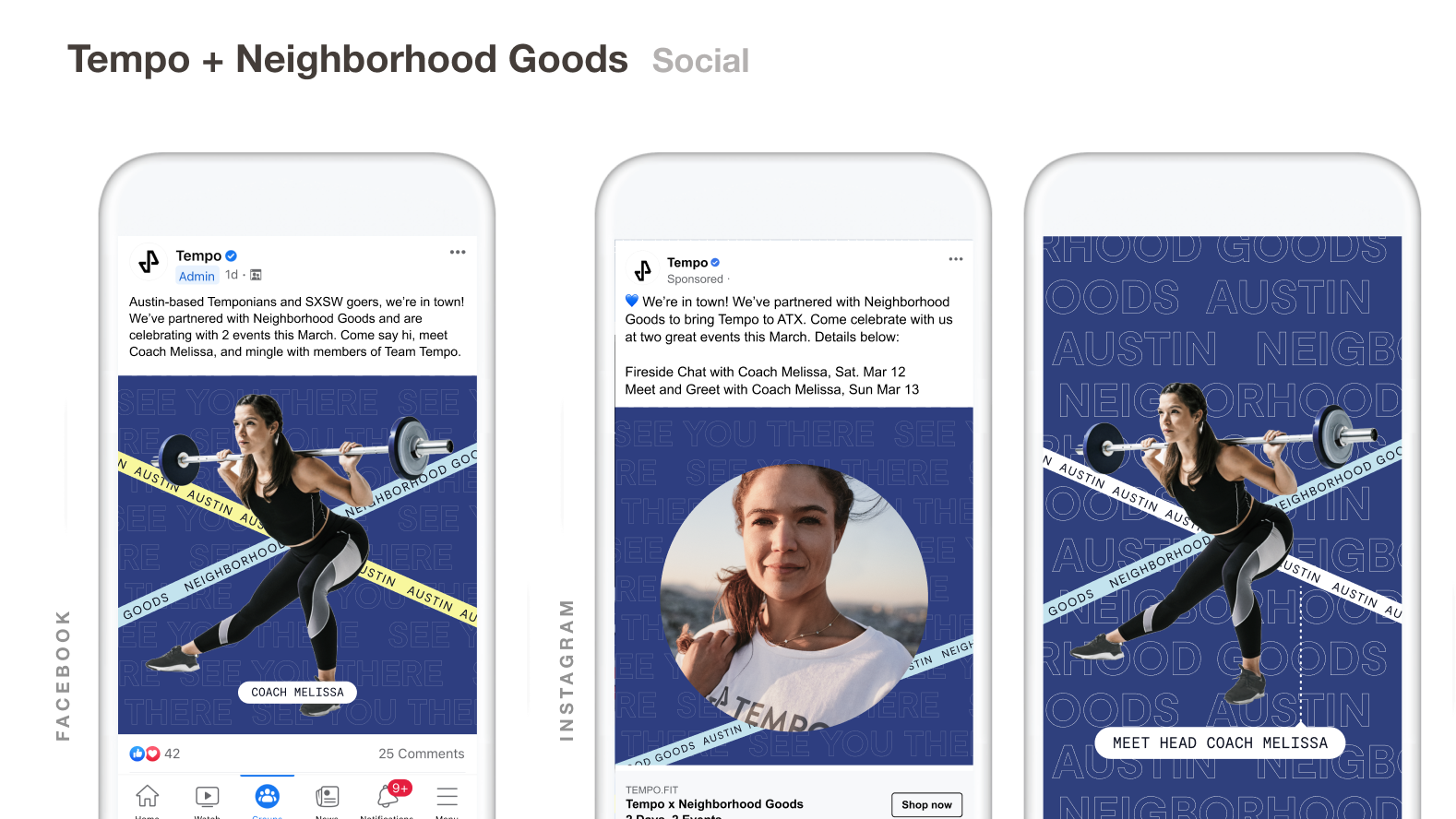
My role at Tempo as a Senior Visual Designer was to enhance the Tempo brand by bringing it to life. I infused current design trends while staying on brand for various campaigns by designing emails, social media, performance marketing, web, and product launches.
I created a system for Facebook and Instagram ads as well as some presence on Reddit. On campaigns, I worked closely with copywriters, and the VP of Brand as well as project managers and video production and photographers. I was the solo designer on projects to announce new coaches, promote brick-and-mortar stores, and partner store activations, and added features to our website. Collaboratively the design team refreshed our brand and launched a new product successfully in record time.
Have a look through some of my favorite work here.
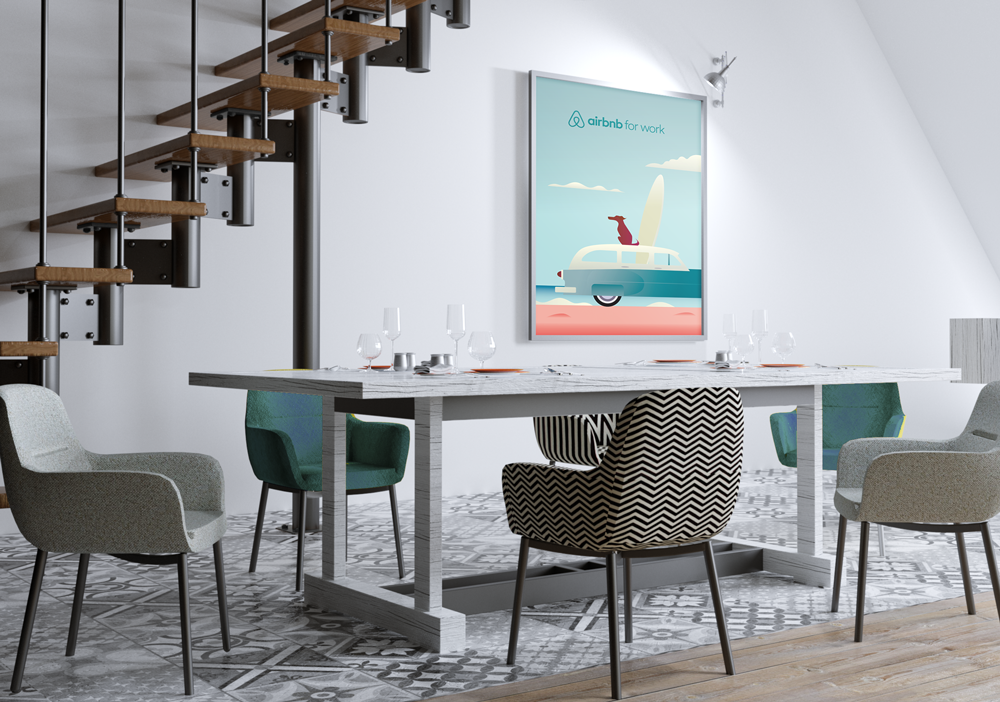
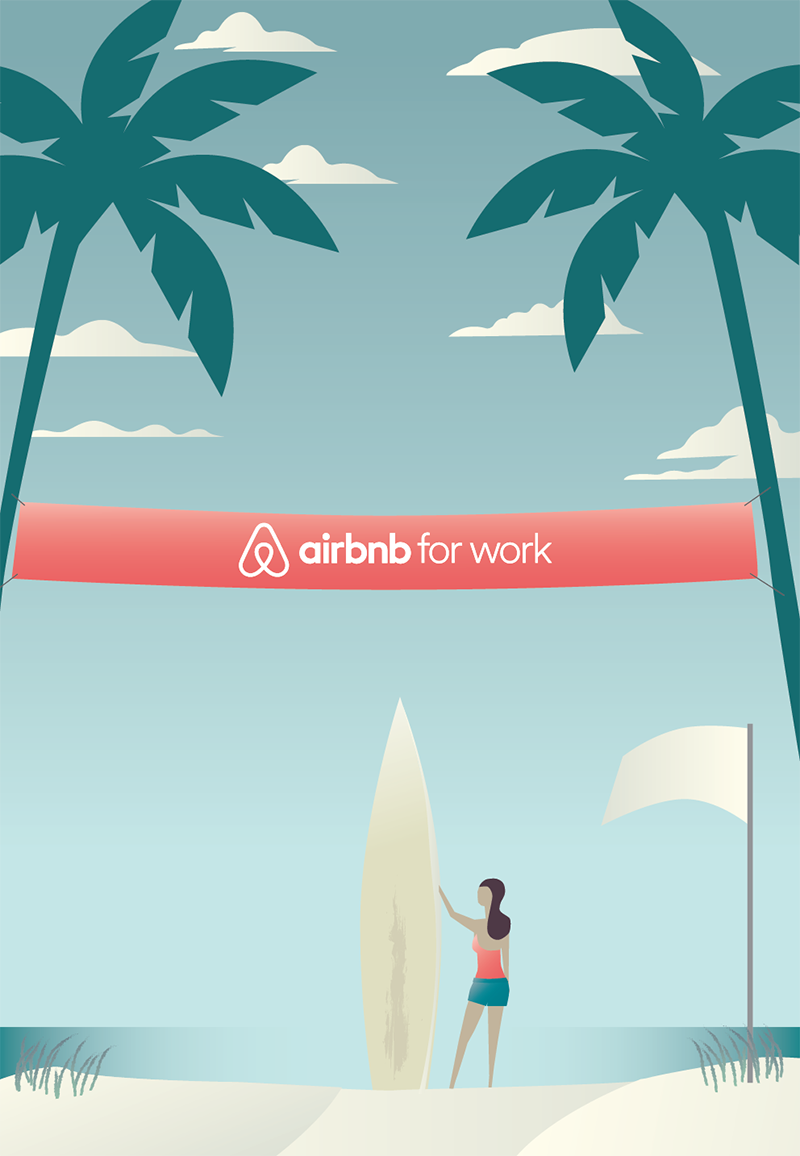
The GBTA (Global Business Travel Association) Conference is the largest venue for Airbnb for Work to get noticed. I was commissioned to create artwork for the “listing” that was built on site at the event. They were printed, framed and hung on the walls that event. Everyone loved them so much we brought them back and hung them permanently around the office.
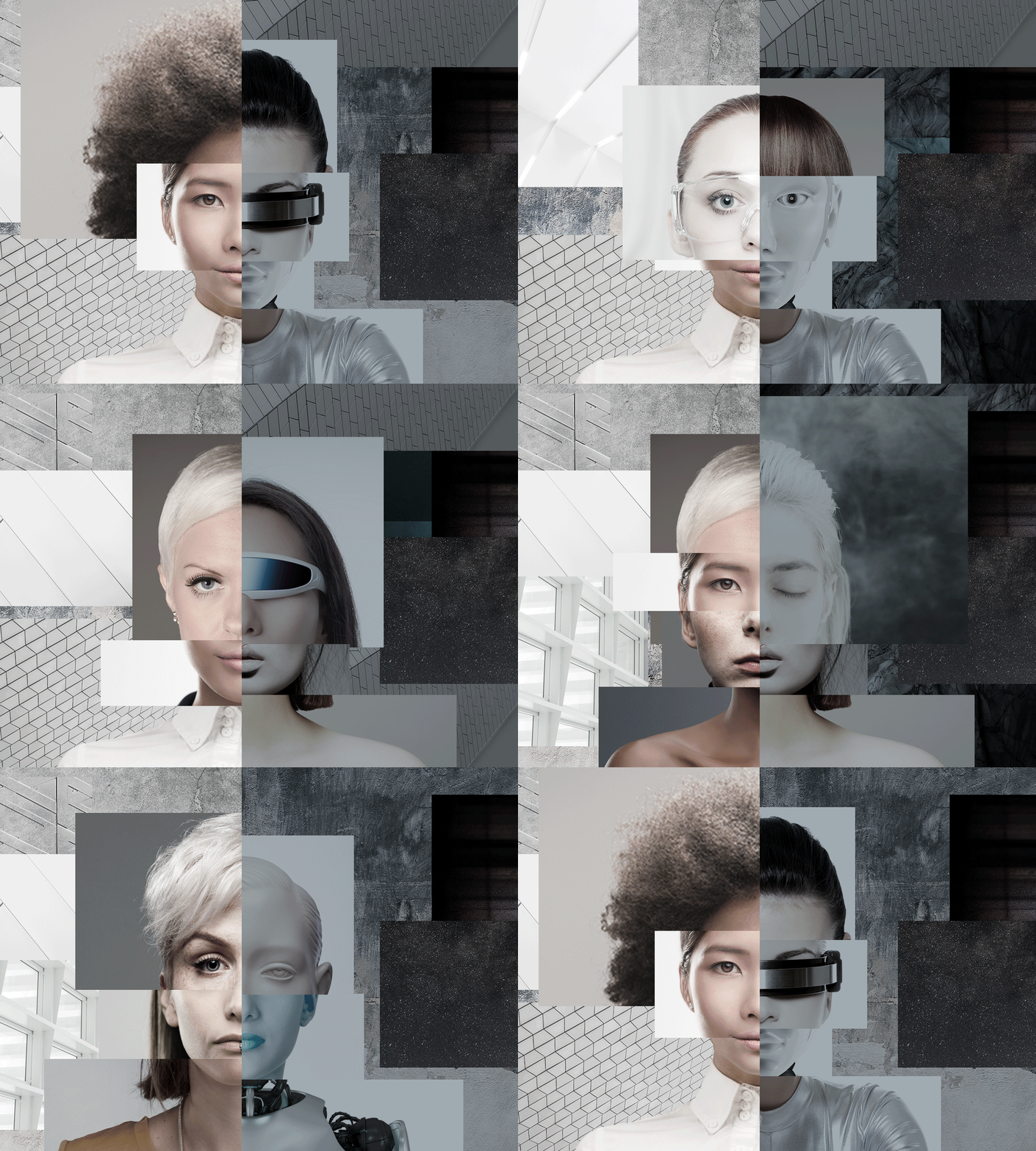
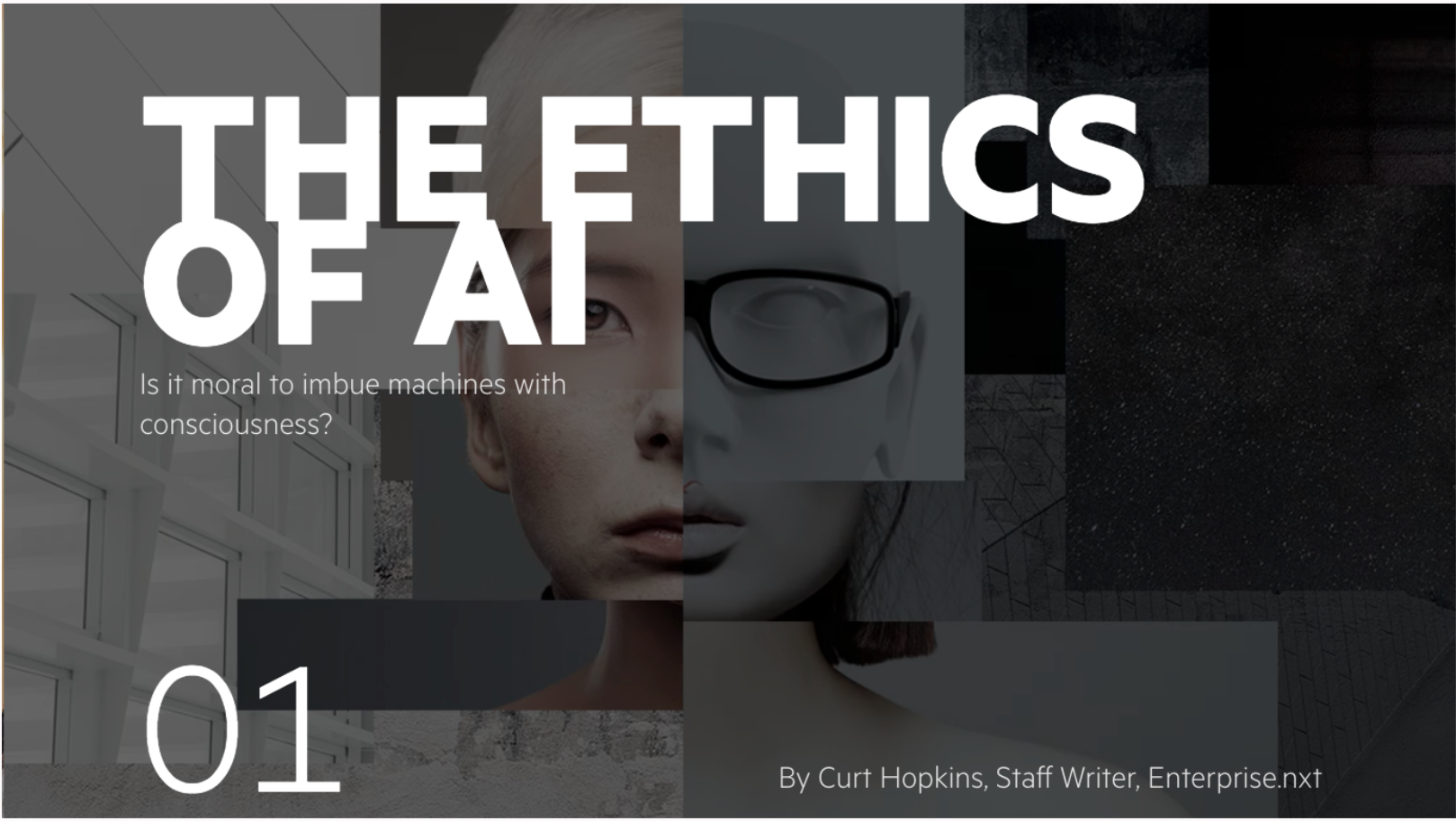
HIghly conceptual animation for an HP article about ethics and machines. You can read the article here.
Before design systems had a name, I was building one.
As Lead Visual Designer at Location Labs, I designed the Family Locator app across Android, iOS, mobile web, and web, then rebuilt it twice more for AT&T and T-Mobile. The challenge was not just designing a great app. It was designing it so that a single codebase could be re-skinned for three competing carriers, each with their own brand guidelines, without touching the underlying architecture.
I translated each carrier's brand, including color, typography, and iconography, into a fully realized product interface across roughly 35 screens, covering every state: onboarding, location tracking, settings, null states, and all interactive phases. For dev handoff, I created what I called a "map," a screen-by-screen spec document that told developers exactly where every asset lived and how it should behave. This was pre-Figma, built in Sketch, and it became the blueprint for how the team handed off design going forward.
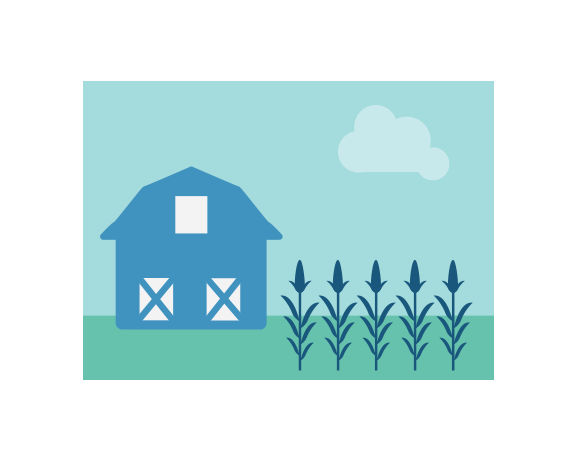
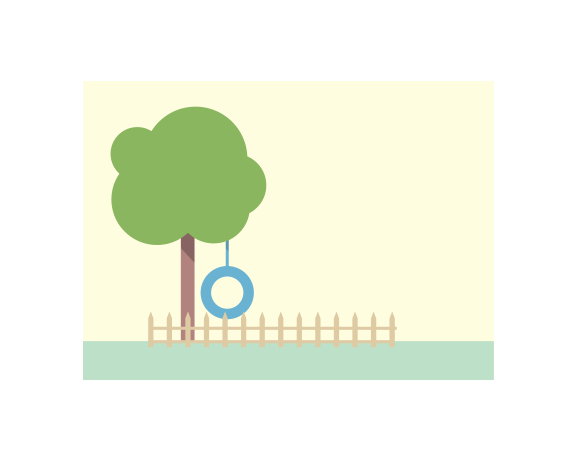
One of the most meaningful design decisions on the product was the onboarding animation. I created a custom illustration system depicting a panning landscape (see below), buildings, and mountains settling on a house, to visually communicate the idea of locating someone you love. It was designed during the early days of flat design and set the emotional tone for the entire product.
When T-Mobile joined, they pushed back on the illustrative style. It was not on-brand for their hot pink, high-contrast aesthetic. Rather than rebuild the animation from scratch, which would have significantly increased development costs, I adapted the system: same animation structure, same motion, but re-skinned with on-brand iconography in T-Mobile's palette. The system held, as did the budget, and the carrier was happy.
I presented the designs directly to stakeholders at all three carriers. The AT&T meeting stands out as the most impactful, with a room full of engaged stakeholders and genuinely enthusiastic feedback.
The app grew to over one million active users. It was the flagship product at Location Labs, and the company was acquired for $220M.

A picture is worth a thousand words, but sometimes images are cost-prohibitive or unnatural for a project. In order to breathe some life into our apps, I've learned to illustrate concepts for various scenarios. Some live out in the wild. Some never make it to production instead, they can live here.